Coaching Session Notes Template: What to Write Down in 5 Minutes After Each Client Session
coaching session notes template: what to capture after each client session, what to leave out, and how to keep a one-page note useful in about five minutes.
By Life Coaching Kit by Cosmo Suite · Editorial policy
Published · 7 min read

Your client logs off, and you have another call in a few minutes. You want to remember what mattered in the session, but you do not want to write a transcript or recreate a clinical file. A coaching session notes template gives you a small set of prompts, so you can capture the client's focus and your next step while the conversation is fresh.
The useful note is short enough to finish after the call and specific enough to help you prepare for the next one. Here is a one-page format, a hypothetical session-three example for a career-change client, and a clear line between useful coaching notes and details you do not need to keep.
Key takeaways:
- Use one page for the client’s focus, insight, chosen action, your follow-up, and next-session prompt.
- Write a short recap after the call, not a transcript of everything said.
- Store and dispose of notes according to your agreements and the rules that apply to your practice.
A coaching note should help you start the next session
A coaching session note is a short record of the client's chosen focus, useful insight, next action, and your agreed follow-up. It should help you start the next session with context. It is not a transcript, a rating, or a place to diagnose. Keep only details that help continue the work and meet record duties that apply.
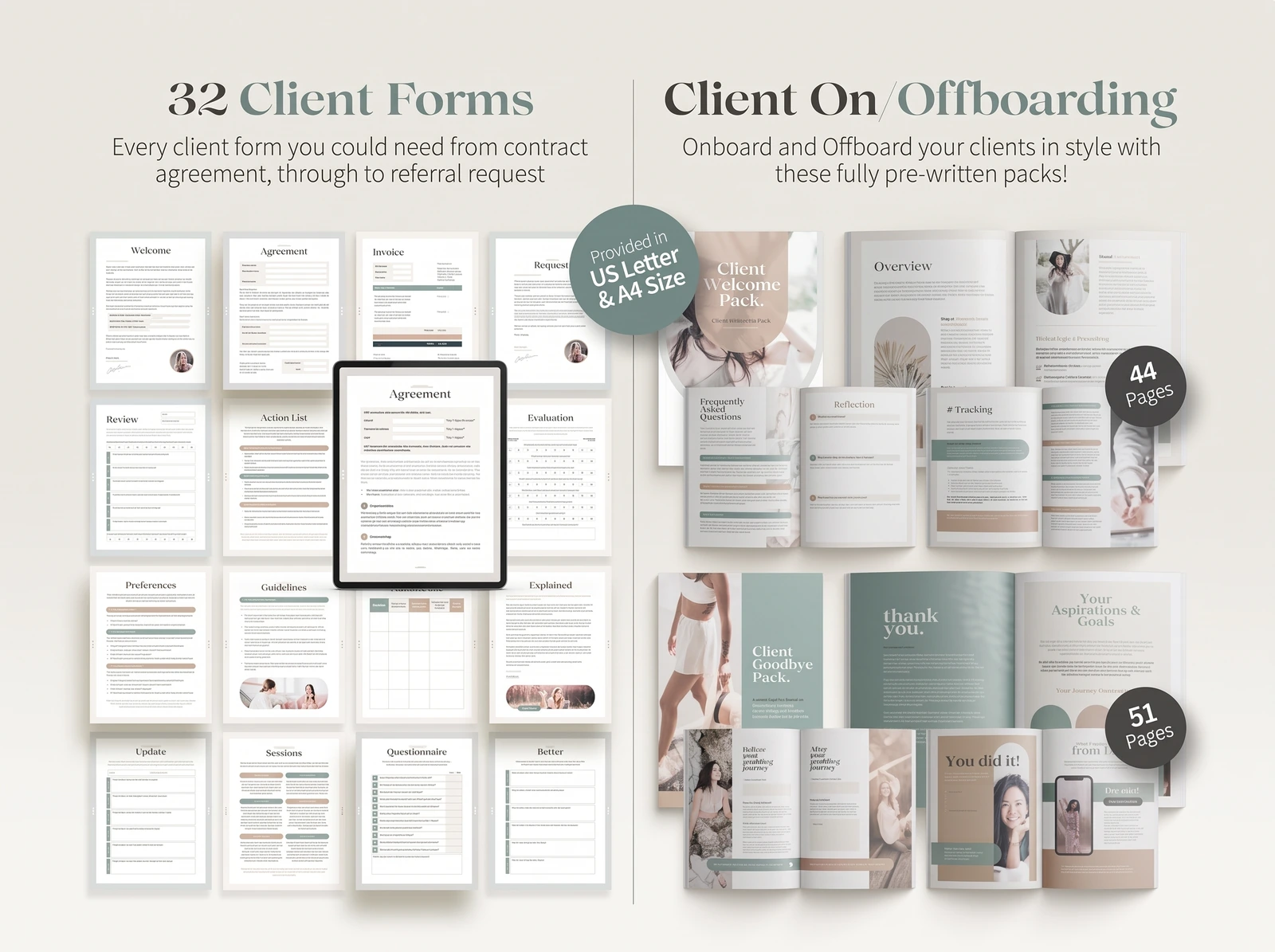
If you are still setting up your client documents, editable life coach business templates can give you a starting point for the forms you send before and after a session.
Coaching session notes template: what to include
A one-page coaching session notes template needs a few fields that are easy to scan before the next call. Start with the date and chosen focus, then record what the client noticed, the action they chose, and what you agreed to do next. Keep the wording short enough to write after the conversation.
| Field | Prompt | What belongs here |
|---|---|---|
| Session details | Which client and session is this? | Date, session number, and the reference you use to find the file. Use the minimum identifying detail your process needs. |
| Client focus | What did the client choose to work on today? | The topic in the client’s terms, summarized in a few words. |
| Useful point | What did the client notice or decide? | A theme, choice, or shift that will help you understand the next conversation. Keep it factual and brief. |
| Client action | What will the client try before next time? | One action the client chose, or a note that they chose no action yet. |
| Coach follow-up | What did you agree to send or check? | A resource, question, or practical follow-up you promised. Leave blank if there is none. |
| Next-session prompt | What should you ask about first? | A short question or topic that reconnects the next session to this one. |
The structure is deliberately small. You can adapt the labels to your way of coaching, but keep the client’s own choices clear. A note that says “follow up on action” is less useful than naming the action and what the client wanted to learn from it.
The distinction to keep: The client's action and your follow-up are separate commitments. Put them in separate fields so you can see whose next move is whose before the next session.

Worked example: session three with a career-change client
In this hypothetical example, a client is weighing a move into a different role. The note captures the client's focus, a useful observation, a chosen action, and a prompt for next time. It does not claim a result or record every detail of the conversation.
| Field | Example note |
|---|---|
| Session details | Session 3; date and client reference in the practice file |
| Client focus | Compare a possible internal move with staying in the current role |
| Useful point | The internal option has a clearer next step; the client wants to understand the role before deciding |
| Client action | Review the role description and list the questions they want answered |
| Coach follow-up | Send the agreed reflection prompt |
| Next-session prompt | What did the role description clarify, and what is still unknown? |
The example stays close to the client's decision. It does not label the client as indecisive or guess at a hidden reason. If you need to remember your own follow-up, record it as your task rather than folding it into the client's action.
Write notes during the session, then finish after
Use the live session for brief cues, not polished sentences. A word or phrase can remind you of a goal or a question without pulling your attention away from the client. After the call, turn those cues into the short recap while the sequence is still clear.
During the call, you might jot down:
- the topic the client chose;
- a word or theme they returned to;
- an action they proposed;
- a promise you made to follow up.
Then check the note once. Does it show what the client wanted to work on, what they chose, and what you need to remember? If yes, stop. More detail is not automatically more useful.
If typing changes the feel of the session, write a few paper cues and complete the note afterward. If you use a digital document, keep it in the location you use for client records and avoid creating extra copies in a downloads folder or personal notes app.
What to leave out of a coaching session note
Leave out material that does not support the coaching work or a record duty you have. A note is not a place to store a full transcript, speculate about the client, or reproduce sensitive details because they came up in conversation.
| Leave out | Use instead |
|---|---|
| A transcript of the entire session | One short summary of the client's chosen focus |
| Labels about the client's personality | A neutral description of the decision or action discussed |
| A diagnosis or treatment plan | Coaching language within your training and professional scope |
| Unneeded personal details | The minimum context needed to continue the work |
| A task you promised, written as the client's commitment | A separate coach follow-up field |
This distinction matters if you have a background in therapy, health care, HR, or another helping profession. The note format should match the service you are providing now. If you also practice in a licensed role, keep the records and duties for that service separate and follow the standards that apply to it.
Keep records private, secure, and easy to find
Choose where notes live before the first client asks for a follow-up. The 2025 ICF Code of Ethics asks ICF professionals to maintain, store, and dispose of records in ways that promote confidentiality, security, and privacy and comply with applicable laws and agreements. That is record-handling guidance, not a prescribed session-note layout.
The FTC's business guide on personal information recommends keeping only the information a business needs, protecting what it retains, and disposing of information when it is no longer needed. Its Start with Security guide also gives small businesses practical steps for limiting access and protecting stored information. The right process for your practice depends on your agreements and applicable rules, so do not treat a generic template as a retention policy.
Make the routine easy to follow:
- Save each note in the client record you already use.
- Limit access to people who need it for the work.
- Keep notes out of shared devices and unprotected personal accounts.
- Follow your agreement and applicable retention rules when a client relationship ends.
- Dispose of copies securely when they are no longer needed.
The ICF Code of Ethics covers record handling for ICF professionals. The FTC's guide to protecting personal information gives small businesses general data-handling guidance. Check your own legal and professional obligations before setting a retention period.
What makes a note useful five minutes later
The best note is the one that helps you reconnect with the client’s chosen direction without asking them to repeat the whole last session. Use the same small fields each time, then write one specific next-session prompt. A one-page set of coaching forms and templates can help you keep this process in a consistent format.
Read the note as if you are preparing to open the next call. You should be able to see the topic, the client's action, and your own follow-up at a glance. If you need to reread a long paragraph to find the next step, shorten it or move the action into its own field.
This is also where a note connects to the rest of your client process. The life coaching forms checklist covers what belongs at each client stage, and the coaching templates guide maps the documents around a coaching relationship. Your session note is one working record among those documents, not a replacement for the agreement or the client's intake form.

Life Coaching Kit for client paperwork
Life Coaching Kit includes customizable Canva templates for client forms, workbooks, branding, social media, and lead magnets. The kit is a set of editable materials for a coaching business. You can adapt the pages to your own process. It is not a coaching platform or legal service.
If you prefer to start with a designed page, Life Coaching Kit's client forms and workbooks give you templates to adapt to your own practice. Keep only fields that serve your process, and review how you store the completed notes.
How we put this together: Life Coaching Kit by Cosmo Suite sells the kit discussed here. We checked the product contents list, the ICF Code of Ethics, and the FTC's business guide to personal information on 16 October 2026. The About page explains who publishes this site; the editorial policy explains how we handle sources and corrections.
Frequently asked questions
What should a life coach write in session notes?
Record the session date, the client's chosen focus, the main point they noticed, the action they chose, anything you promised to follow up on, and the next-session prompt. Keep each field short and leave out details you do not need.
How long should coaching session notes take?
A one-page template can be designed for a five-minute recap after the session. That is a practical target, not a rule. If a note takes longer, remove fields that do not help you prepare for the next conversation.
Are life coaching session notes confidential?
Explain confidentiality and record handling in your coaching agreement. The ICF Code of Ethics asks ICF professionals to store and dispose of records in a way that promotes confidentiality, security, and privacy and follows applicable laws and agreements. Check the rules that apply to your practice.
Should coaching notes include a client's exact words?
Use a short direct phrase only when it will help you remember the client's meaning. Otherwise, paraphrase the focus and the action they chose. Avoid turning the note into a transcript or keeping sensitive detail without a clear reason.
How are coaching notes different from therapy notes?
A coaching note is for remembering the coaching focus, client-chosen actions, and follow-up. Clinical records serve a different professional purpose. If you are also a licensed provider, follow the record rules and professional standards for that separate service.
Can I use a Canva template for coaching session notes?
Yes. The Life Coaching Kit includes customizable Canva templates for client forms and workbooks. Edit the fields to fit your practice, and make sure your own record-handling process follows your agreements and applicable rules.
Sources
Keep reading
Client Paperwork
Life Coaching Forms: What to Have Ready Before Your First Client Session
Coaching forms for a solo life coach: 11 in client order, 10 the client sees, the 5 to have ready before session one, and which to fold in or skip.
· 11 min read

Client Paperwork
A Client Welcome Packet That Answers the First Questions Before Session 1
Client welcome packet: the 7 pages to include, the order clients ask their questions in, what to keep out, and a worked example of the first hour.
· 9 min read

Client Paperwork
How to Write a Life Coaching Intake Form (Without a 40-Question Wall)
Life coaching intake form: 15 questions in 5 groups, each tied to what it changes in session one, plus 8 questions to cut and a worked example.
· 10 min read